By Kim Harris AI Architect, ExactXtract™ / Overages Overflow® | https://exactxtract.com/
Illinois lawmakers passed House Bill 4537 in late May 2026, finally bringing the state into compliance with the 2023 Supreme Court ruling in Tyler v. Hennepin County — and becoming the last state in the country to do so. The bill replaces Illinois’s old tax-buyer system, where investors could keep 100% of a foreclosed homeowner’s equity, with a tax deed auction process that returns surplus funds to the former owner. For surplus funds professionals, this is the opening of a brand-new market in one of the largest, most tax-sale-active states in the country.
What Did Illinois House Bill 4537 Actually Change?
HB 4537 replaces Illinois’s private tax-buyer foreclosure system with a public tax deed auction, where any sale proceeds above the taxes, interest, and fees owed are returned to the former property owner instead of being absorbed by the investor. The bill also extends the redemption period homeowners have to pay off delinquent taxes from roughly 30 months to a full three years, and it sets up a temporary surplus equity fund — paid for by fees charged to tax buyers — to compensate homeowners who already lost equity under the old system in the past two years.
For three years, Illinois was the lone holdout among states affected by Tyler v. Hennepin. Cook County alone processes thousands of delinquent tax parcels every year, which means this reform isn’t a minor administrative tweak — it’s the creation of a surplus funds pipeline in a state that previously had almost none.
Why Did It Take Illinois Until 2026 to Comply With Tyler v. Hennepin?
Illinois delayed reform for three years after the Supreme Court’s 2023 ruling because the state’s tax-buyer system was deeply entrenched, and lawmakers spent that time negotiating between county treasurers, housing advocates, and the tax-buying industry itself. The bill passed the Illinois House 80-35 and the Senate 56-1-1 in the final days of May, and now heads to the governor’s desk.
The delay matters for recovery professionals because it means Illinois has years of accumulated foreclosure activity that will now generate retroactive and ongoing surplus claims — not a slow trickle of new cases, but a backlog working its way through the new system. States that reformed earlier (Massachusetts, Michigan, and others) saw a sharp uptick in claimable surplus inventory in the first 12–18 months after their own reforms took effect.
What New Surplus Funds Opportunity Does This Create for Recovery Professionals?
Illinois’s reform creates two parallel surplus funds streams: ongoing tax deed auction surplus going forward, and a temporary equity fund for homeowners who lost property under the old rules in the past two years. Cook County alone will run six more annual tax sales through 2030 before transitioning to a county-held lien system, meaning the tax-buyer-to-surplus pipeline stays active for years, not months.
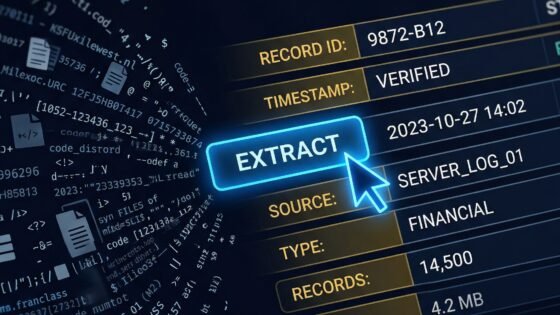
This is the kind of structural law change that reshapes a recovery professional’s territory map. A state that previously offered almost no tax sale surplus opportunity now has a built-in source of new claims every year, plus a one-time wave of retroactive claims from the equity fund. Professionals who build out Illinois county lists now — before the market gets crowded — have a real first-mover advantage. ExactXtract’s AI-powered surplus funds data extraction platform is built to take a new county’s data straight from PDF to working list, which matters most exactly when a state like this opens up and the data hasn’t been standardized yet.
How Should Surplus Funds Professionals Prepare for the Illinois Market?
Professionals should start by identifying which Illinois counties publish surplus or excess proceeds lists once the new auction process takes effect, then build an extraction and skip tracing workflow before competitors do. Cook County will be the highest-volume county by far given its population and tax sale history, but downstate counties will also generate surplus under the same law.
Because this is a brand-new process for Illinois county treasurers, early lists may come in inconsistent formats — scanned PDFs, varying field layouts, partial data — the same kind of friction that has historically slowed manual processing in any state’s early surplus funds years. This is where automated county list processing earns its keep: instead of manually transcribing parcel numbers, case numbers, and owner names from inconsistent Illinois county formats, the nine critical data fields can be extracted and standardized automatically, at a documented 99% accuracy rate, while the list of opportunities is still relatively small.
Key Takeaways
- Illinois passed House Bill 4537 in late May 2026, becoming the last state to comply with Tyler v. Hennepin County and ending its private tax-buyer equity-retention system.
- The reform creates two new surplus funds streams in Illinois — ongoing tax deed auction surplus and a temporary equity fund for homeowners who lost property in the past two years under the old rules.
- Recovery professionals should begin building Illinois county surplus lists now, before the market matures and competition increases.
- ExactXtract automates extraction of nine critical data fields from county surplus lists with a documented 99% accuracy rate, processing documents 100x faster than manual methods — built for exactly this kind of new-market opportunity.
- See it in action at https://exactxtract.com/.
About the Author: Kim Harris is the AI Architect behind ExactXtract™ and the founder of Overages Overflow, a surplus funds recovery business and YouTube education channel. ExactXtract has processed 100,000+ documents for 1,000+ surplus funds professionals, delivering 99% extraction accuracy at 100x the speed of manual processing. Learn more or start your free trial at https://exactxtract.com/ — or reach us at admin@ExactXtract.com.